Low back pain is one of the most common musculoskeletal complaints in the world. Studies estimate that nearly 80% of adults will experience low back pain at some point in their lives, and it is one of the leading causes of missed workdays and reduced quality of life. For many people, the pain seems to come out of nowhere—whether it appears after sitting at a desk all day, lifting something heavy, or waking up in the morning. While the pain is real, it is often only the symptom of a deeper issue, and one of the most overlooked causes is poor posture and the muscular imbalances that develop over time.There are several medical conditions that can contribute to low back pain. Spinal stenosis occurs when the spaces within the spine narrow, placing pressure on the nerves traveling through the spinal canal. This can cause pain, numbness, or weakness in the lower back and legs. Another common cause is a disc herniation, which happens when the soft inner portion of a spinal disc pushes through the tougher outer layer. This can irritate nearby nerves and lead to pain that may radiate into the hips or legs. Facet syndrome is another contributor, involving irritation or degeneration of the small joints between vertebrae that guide spinal movement. When these joints become inflamed or restricted, they can create localized back pain and stiffness, especially with extension or twisting movements.
While these conditions can certainly produce pain, the underlying issue is often long-term stress placed on the spine by poor posture and muscle imbalance. Over time, certain muscles become tight and shortened while others become weak and inhibited. This imbalance changes the way the body moves and distributes force, often placing excessive load on the lower back. Addressing the pain alone without correcting the posture and muscular imbalance is like putting a bandage on the problem rather than fixing its cause.
Postural correction focuses on identifying and correcting these imbalances. The process begins with a thorough assessment to determine which muscles are tight, which are weak, and how the body is compensating. Treatment then targets the restricted tissues using specialized manual therapy techniques designed to restore mobility and balance throughout the body. These techniques may include Active Release Techniques (ART), dry needling, cupping therapy, joint mobilization, spinal manipulation, and muscle re-education. Each method works to release tension in shortened tissues, improve movement in restricted joints, and retrain the body to maintain healthier posture.
Correcting posture can significantly reduce back pain because it redistributes stress away from overloaded structures. When posture improves, the spine returns closer to its natural alignment, allowing muscles and joints to function the way they were designed to. In many cases, treating low back pain requires more than just focusing on the lower back itself. At our clinic, treatment often involves working on the entire spine as well as the hips, shoulders, arms, and legs, because tight or shortened tissues in these areas frequently contribute to tension and abnormal stress in the lumbar spine. By restoring balance throughout the body, we can reduce the forces that continually aggravate the lower back.
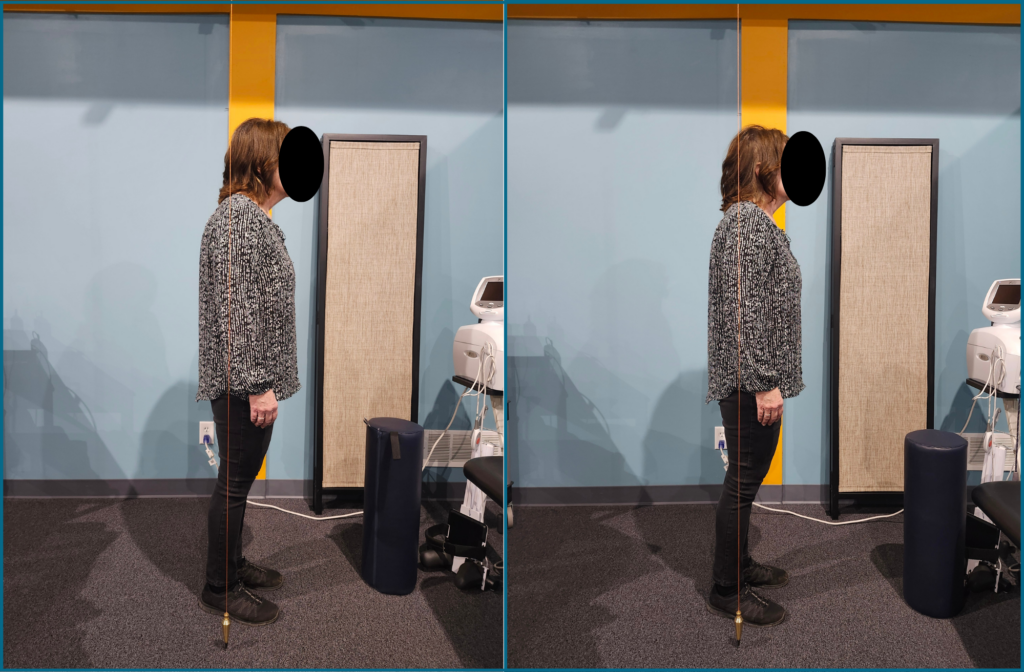
Patients often ask how long it takes to see results. The encouraging news is that improvements can sometimes be noticeable after just one visit, as seen in the picture above. Many people begin to feel reduced tension and improved movement almost immediately after the first treatment. However, to achieve the most lasting correction and maximize results, treatment typically takes between 6 and 12 visits, depending on the severity of the imbalance and how long the problem has been present.
At Quality PT, treatment is provided by Dr. Mark Boehler, PT, DPT, CIDN, a physical therapist with more than 10 years of experience specializing in manual therapy. One of the key differences in care is that you see Dr. Mark at every visit. This allows for continuous evaluation and real-time adjustments to your treatment plan, ensuring that the most effective and up-to-date manual therapy techniques are used as your body improves and adapts.
If you are struggling with back pain, remember that the pain itself is often only the signal your body is sending. The real solution is correcting the underlying imbalance. When posture improves, the stress on the spine decreases, movement becomes more efficient, and pain often fades as the body returns to the way it was meant to function.
Fix the posture. Relieve the pain. Move the way your body was designed to.